

Bali, often called the “Island of the Gods“, is a popular destination in Indonesia known for its amazing budget and cheap beaches, vibrant culture, and lush landscapes. Travelers from around the globe flock to this Indonesian paradise to experience its unique charm and natural beauty. However, planning a trip to Bali involves considering various factors, most importantly the cheapest time to visit Bali in 2026.
Understanding when Bali is most affordable can significantly stretch your travel budget, letting you splash out on activities and experiences without breaking the bank. This guide unpacks the timing variables that influence flight, hotel, and activity prices and outlines practical strategies to help you enjoy Bali for less.
Cheapest Time to Go to Bali in 2026

In 2026, the overall cheapest time to visit Bali is during the monsoon (wet) season, roughly from November through March. Air-conditioned rooms, discounted tours, and flash flight sales are common because:
– Lower demand: Tropical downpours deter many holiday-makers, so airlines and hotels slash prices to entice visitors.
– Less congestion: Even top attractions feel unhurried, allowing you to soak up the scenery without queues.
– Heads-up on the weather: Showers build quickly, often in the afternoon, then clear within an hour or two. Pack a lightweight rain jacket and plan outdoor adventures for the morning when skies are usually brighter.
The Cheapest Months to Visit Bali in 2026
- January: Peak rainfall equals rock-bottom hotel rates. Expect lush rice terraces and the fewest crowds.
- February: Statistically the least-expensive month for international flights; airlines post their biggest savings during Lunar New Year lulls.
- March: Rains start tapering, surf is good on the west coast, and prices stay friendly, Nyepi (Bali’s “Day of Silence”) usually falls this month, so plan around the 24-hour island-wide shutdown.
- October & early November: Technically shoulder-to-wet transition, giving you a sweet spot of mostly dry days with wet-season-style bargains.
If you crave guaranteed sunshine for diving or trekking Mount Batur, consider the dry-season shoulder months (April–June and September), but be prepared to pay 20–35 percent more for flights and rooms.
Cheapest Time to Go to Bali for Crowds

The sweet spot for minimal crowds and fair weather is the shoulder period just before and after peak season:
- April–June – fresh post-monsoon greenery, comfortable humidity, and uncrowded beaches.
- September–October – schools are back in session overseas, but Bali remains warm and relatively dry, delivering excellent value.
Book flights three to six months ahead, target mid-week departures, and avoid Indonesian public holidays for best pricing.
Cheapest Time to Fly to Bali in 2026
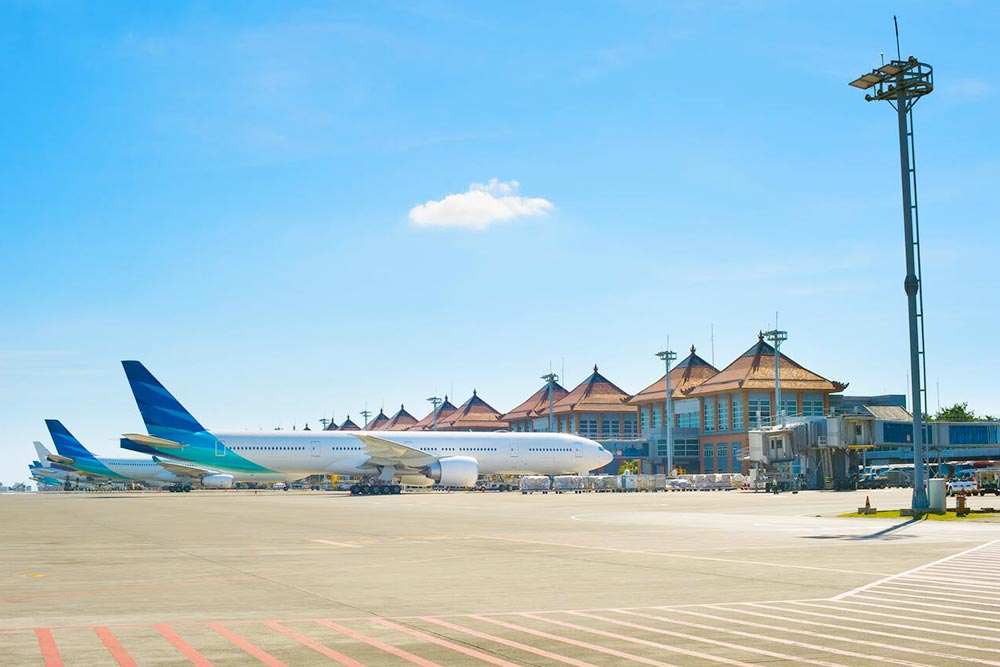
February consistently posts the lowest average return fares to Denpasar (DPS) from North America, Europe, and Australia. According to fare-aggregator data, February tickets average 15–25 percent less than the annual mean. Additional fare-slashing tactics:
- Travel mid-week: Tuesdays and Wednesdays are typically cheaper than weekends.
- Track deals six months out: Set price alerts and pounce on flash sales from regional carriers.
- Route via hubs: Flights with stops in Kuala Lumpur or Singapore can shave hundreds off the ticket price.
Cheapest Time to Book Hotels in Bali
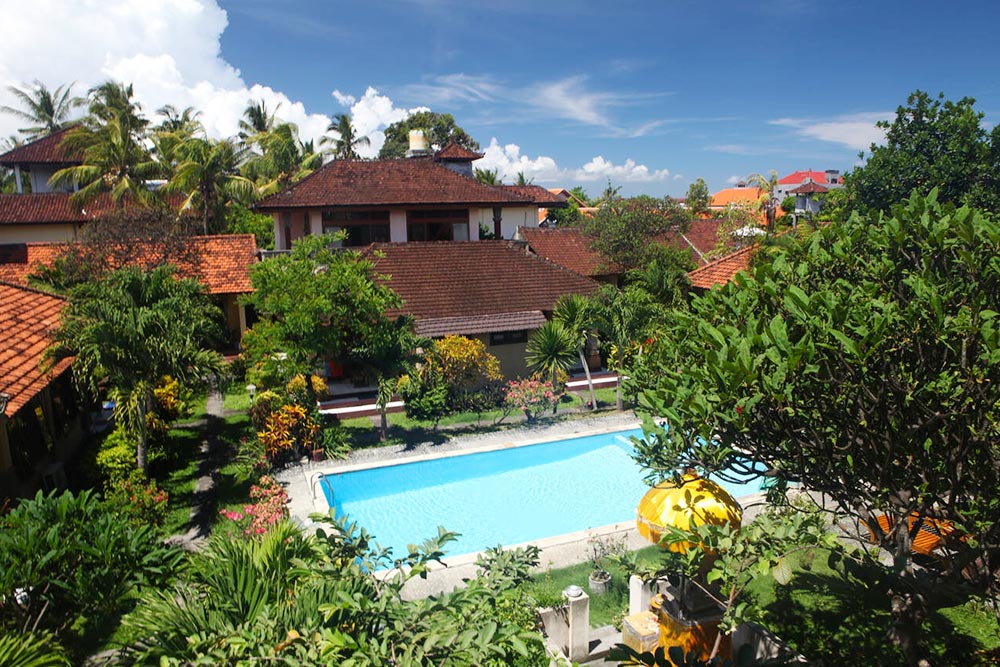
Accommodation discounts mirror flight trends, expect the biggest markdowns from November through March. Four-star beachfront hotels often list rooms at 40 percent off peak-season rates, while family-run homestays drop to $10–$15 a night.
Booking platforms may bundle extras (free breakfasts, airport transfers, or spa credits) to sweeten the deal. The trade-off? Higher humidity and brief afternoon deluges. Plan spa sessions, cooking classes, or museum visits during likely wet spells.
Pros and Cons of Visiting Bali During the Cheapest Time (Rainy Season)

Pros
- Lower Prices: Airfares, rooms, and even guided tours drop dramatically.
- Fewer Crowds: Temples and beach clubs feel relaxed; restaurant reservations are rarely needed.
- Lush Greenery: Rice terraces glow emerald after each downpour, photographers love this season.
- Local Festivals: Galungan, Kuningan, and Nyepi often fall in or near the wet season, offering rich cultural immersion.
Cons
- Unpredictable Rain: Downpours can close hiking trails or cloud sunset views.
- Rougher Seas: Currents and visibility can reduce snorkeling/dive appeal on exposed coasts.
- High Humidity: Pack breathable fabrics and stay hydrated.
The Average Cost to Travel to Bali in the Cheapest Time in 2026
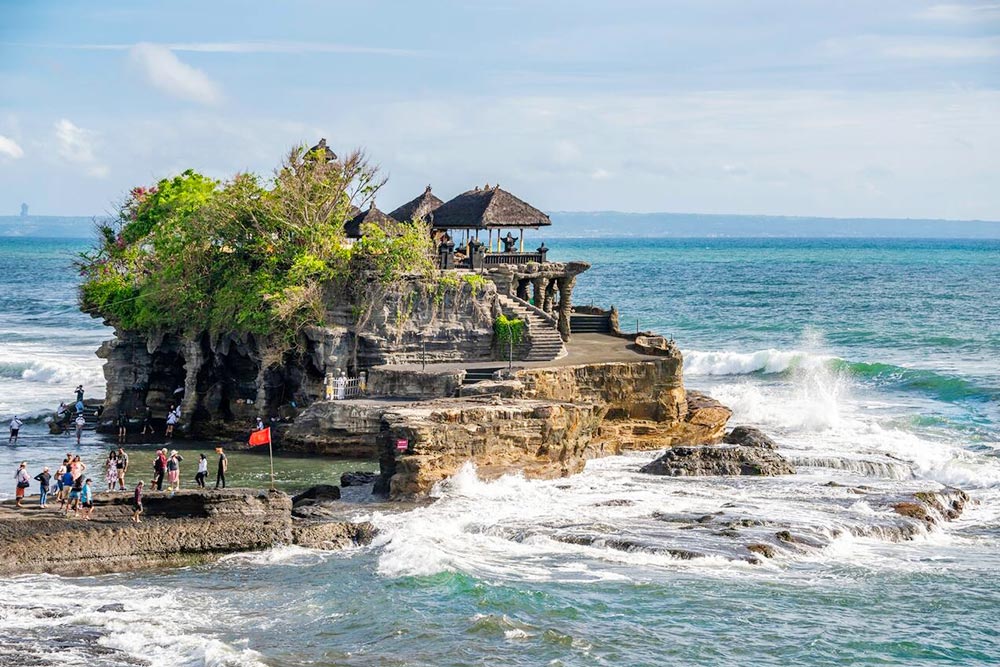
Your total spend during the wet season varies with travel style, but the following ballpark figures hold true for 2026:
- Flights: Round-trip economy seats from the US or Europe average $900–$1,200 when booked three-plus months ahead.
- Accommodation: Homestays from $10; boutique hotels $40–$90; five-star resorts from $150.
- Food: Local warungs $2–$5 per meal; mid-range restaurants $10–$20.
- Activities: Temple entry or waterfall hikes $3–$15; scuba day-trip $70+.
Practical budget example: A thrifty one-week itinerary, including a mid-week February flight, guesthouse, scooter rental, and a mix of street food and a couple of splurge dinners, lands around $1,400–$1,800 per person, flights included.
Money-Saving Tips for Visiting Bali
- Use GoJek or Grab apps instead of private drivers for short hops.
- Refill a water bottle at hotel dispensers to dodge single-use plastic and daily purchases.
- Bundle activities, many dive shops or cooking schools discount multi-day packages.
- Pay in Indonesian rupiah; dynamic currency conversion on cards adds unnecessary fees.
Sources
- Bali.com – Weather & Climate Guide
- Climates to Travel – Bali Climate Data
- Kayak – US to Bali Flight Price Trends
- Virgin Australia – Best Time to Visit Bali
- Viceroy Bali – Seasonal Overview
- Trip.com – Month-by-Month Bali Guide